

The Freedombulls Masterclass:
The No-Nonsense Field Guide to Finding and Raising a Healthy Bulldog
Let’s cut straight to the chase: the bulldog world is an absolute minefield. Because of their incredible loyalty, distinct look, and unmatched personalities, bulldogs are some of the most sought-after dogs on the planet. Unfortunately, that massive popularity has made them a prime target for irresponsible breeding, greedy "fad" kennels, and heartbreaking vet bills.
At Freedombulls.com, we don’t sugarcoat reality. We love this family of breeds too much to watch them suffer from poor breeding. Our mission is to educate the world on what a true bulldog should be: functional, structurally sound, and capable of living an active lifestyle. Whether you are looking for a high-intensity athlete, a historically accurate recreation, or a compact family companion, this masterclass field guide is your ultimate roadmap to bypassing the scams and raising a thriving bulldog.
Part 1: The Freedombulls Top 10 Lineup
Not all bulldogs are built the same. To find the right puppy, you must understand the exact history, purpose, and physical blueprint of the specific branch you are bringing into your home. Here is our official breakdown of the top 10 bulldog breeds and lineages:
1. The Leavitt Bulldog
-
The Blueprint: The absolute premier, strictly regulated health-and-performance reconstruction line. Created by David Leavitt in the 1970s, this line was meticulously engineered to bring back the athletic, highly capable, and sound working bulldog of the 19th century, entirely bypassing the extreme breathing and joint deformities plaguing modern show lines.
-
What to Look For: Verified orthopedic clearances, long muzzles with wide nostrils, and athletic, agile movement.
-
Best For: High-energy households, tracking, and owners who love outdoor adventures.
2. The Continental Bulldog (The "Conti")
-
The Blueprint: A highly successful, FCI-recognized Swiss breed. Created as a direct, responsible reaction to the health issues of the traditional English Bulldog, the Conti is a balanced, medium-sized athlete built for modern life under strict European health mandates.
-
What to Look For: Official club registration, clear airway measurements, and sound, effortless movement.
-
Best For: Social families looking for an agile companion capable of joining daily jogs or cycling trips.
3. The English Bulldog (The British Bulldog)
-
The Blueprint: The iconic, classic foundation of the modern bulldog family. Known for its sweet, gentle temperament and unmistakable low-slung, powerful silhouette.
-
What to Look For: Extreme caution is required here. Look for preservation breeders actively working to reverse structural exaggerations. Avoid puppies with massive, obstructed "nose ropes" or tightly embedded corkscrew tails.
-
Best For: Low-to-medium energy households that prioritize indoor companionship and climate-controlled environments.
4. The American Bulldog – Classic Type (Johnson Type)
-
The Blueprint: Developed heavily by John D. Johnson, this is the larger, broader, and more massive side of the American Bulldog family. They feature a wider chest, a more pronounced underbite, and a look that commands absolute respect.
-
What to Look For: Incredible bone density combined with functional joints. Look for stable, confident temperaments and excellent hip/elbow evaluations.
-
Best For: Experienced handlers looking for a powerful, deeply loyal property guardian and family protector.
5. The American Bulldog – Standard Type (Scott Type)
-
The Blueprint: Developed by Alan Scott, this type is sleeker, more athletic, and built strictly for high-intensity utility and performance. They possess a longer muzzle, a classic scissor bite, and look more like a rugged, fast-moving catch dog.
-
What to Look For: Exceptional structural soundness, raw stamina, and clear working drive.
-
Best For: Active sport-dog handlers, rural properties, or households looking for a high-endurance athletic partner.
6. The Olde English Bulldogge (OEBKC Lineage)
-
The Blueprint: The broad, athletic recreation movement. Representing a modern effort to breed a stable, physically resilient companion that mirrors the strength of the historic bull-baiters without the genetic health crises.
-
What to Look For: Stable top-lines, wide windpipes, and breeders who strictly prioritize open nostrils over massive, wrinkled heads.
-
Best For: Active families looking for a robust, confident dog who loves long hikes and backyard play.
7. The Renascence Bulldogge
-
The Blueprint: A highly specific, strictly controlled recreation breed heavily shaped by Chadde JoliCoeur of Gargoyle Kennels. This line was intentionally engineered to produce a uniform, medium-to-large, highly athletic bulldog completely free of breathing and reproductive issues.
-
What to Look For: Clean breathing patterns, drop ears, a functional muzzle, and authentic registration certifying true Renascence lineage.
-
Best For: Dedicated bulldog enthusiasts who want a robust, clean-breathing companion with a striking, uniform appearance.
8. The Mammut Bulldog (or Mammoth Bulldog)
-
The Blueprint: A fascinating and unique recreation of the long-haired bulldogs that historically existed in the 1800s. They possess the classic, powerful bulldog structure but carry a longer, weather-resistant coat.
-
What to Look For: A thick, healthy coat free of skin allergies, balanced proportions, and a friendly, stable temperament.
-
Best For: Owners living in colder climates who want a traditional bulldog aesthetic with built-in winter resilience.
9. The French Bulldog (The Frenchie)
-
The Blueprint: The incredibly popular continental companion branch. Though small in stature, a healthy Frenchie should still be a functional, alert, and deeply affectionate little powerhouse.
-
What to Look For: Beware of the massive wave of backyard breeders exploiting this breed. Look for a functional Frenchie with a slightly longer spine (giving room to the organs), an open airway, and noticeable nostril holes.
-
Best For: Apartment dwellers, city living, and families looking for a comical, deeply loving indoor sidekick.
10. The Boston Terrier
-
The Blueprint: Affectionately known as the "American Gentleman" and most famous for its dapper tuxedo markings. While technically a terrier branch, they share deep ancestral roots with the bulldog family, bringing a highly intelligent, clean, and elegant dynamic to the lineage.
-
What to Look For: Clear, vibrant eyes, an agile and straight-legged stance, and quiet, effortless breathing.
-
Best For: Fast-paced households, families with children, and urban environments where a social, highly trainable companion is required.

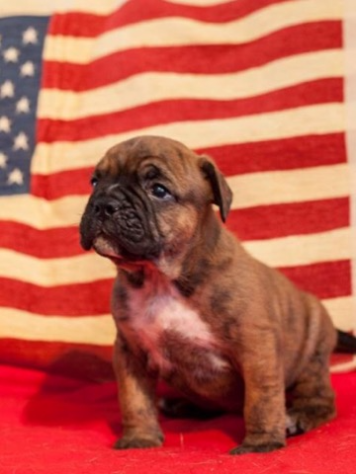
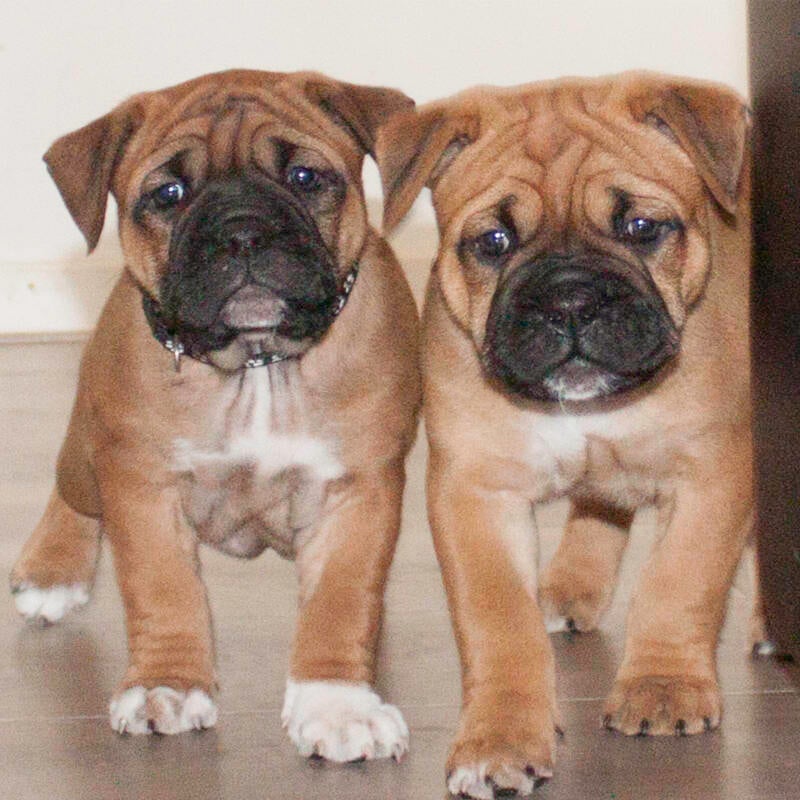
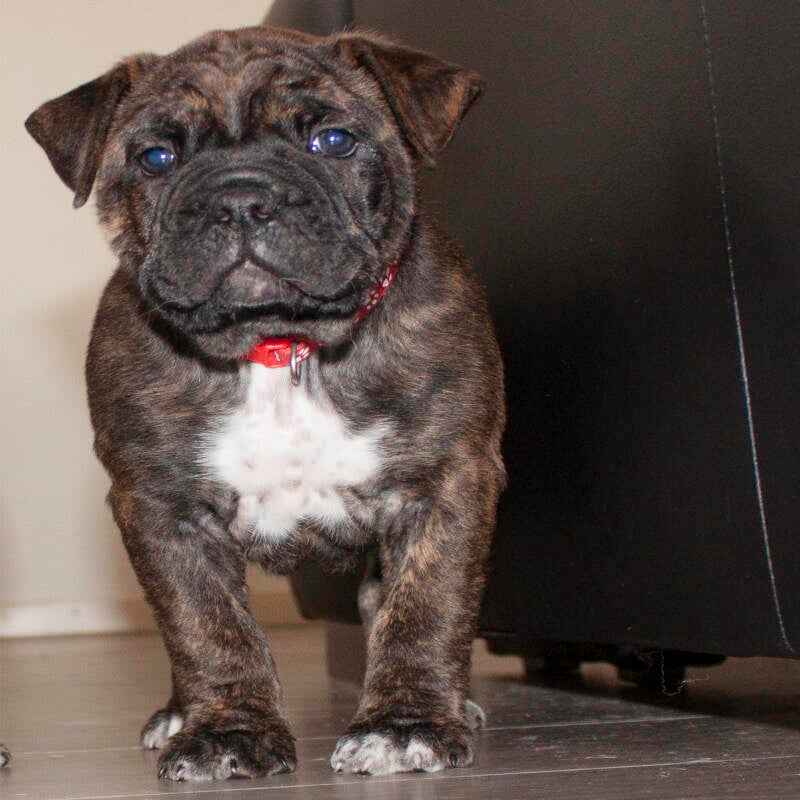
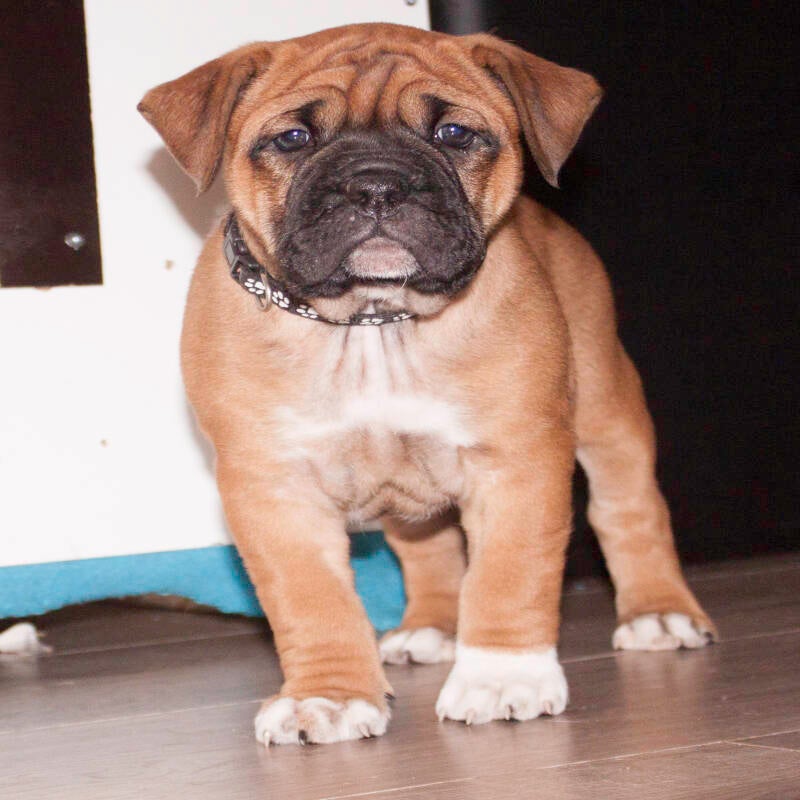

Part 2: What to Look For (The Puppy Investigator Checklist)
When searching for a puppy, do not let a cute face blind you to structural faults. To find a bulldog that can actually live a high-quality life, check these four parameters:
-
The Breathing Test: When you visit a litter, the puppies and parents should be breathing silently. If they are constantly snorting, gasping, or wheezing while just resting, their airways are severely compromised. Look for open nares (wide, round nostril holes), not narrow slits.
-
Orthopedic Proof: A responsible breeder doesn't just say their dogs are healthy—they prove it. Ask to see official, certified medical clearances for the parents' hips, elbows, and spines (checking for hemivertebrae or spinal compression).
-
A Clean Tail Pocket: Avoid inverted tails that twist tightly back into the dog's body. Look for a tail that sets cleanly away from the skin. Tightly embedded tails trap moisture and feces, leading to painful, lifelong surgical issues.
-
A Functional Silhouette: The healthiest bulldogs have a slightly longer back (allowing proper spacing for internal organs) and a clearly defined muzzle snout to accommodate a healthy airway.
Part 3: What NOT to Do (Red Flags to Avoid)
To protect your wallet and stop the cycle of bad breeding, memorize these strict rules:
🛑 The Red Flag Warning Signs
-
NEVER buy from "Color-First" breeders: If a breeder’s primary marketing points are "Exotic Colors," "Merle," "Fad Colors," or "Micro/Pocket" sizes, run. Breeding exclusively for trendy coat patterns or extreme miniaturization introduces severe genetic defects, including blindness, deafness, and crippled immune systems. Health must always come before color.
-
NEVER buy without seeing the mother: If a breeder insists on meeting you in a parking lot or refuses to show you the mother or the kennel conditions on live video, you are likely dealing with a puppy mill or a scammer.
-
NEVER skip the contract: Legitimate breeders stand behind their genetics. If they won't sign a written contract guaranteeing health against congenital and hereditary defects, walk away.
Part 4: Nursing & Raising Your Bulldog Puppy
Bringing your puppy home is where the real work begins. To build a powerful, athletic, and long-lived adult, you must master the three pillars of bulldog care:
1. Fueling the Engine (Nutrition)
Bulldogs are dense, heavily muscled animals. Feeding them cheap, grain-heavy commercial kibble filled with fillers is a fast track to chronic inflammation, raw skin allergies, and constant ear infections.
-
The Diet: Focus on high-integrity, low-allergen nutrition. Many bulldog owners find incredible success with a biologically appropriate raw food diet (BARF) or ultra-premium, grain-free formulas with single-source proteins.
-
Keep Them Lean: A fat bulldog is a structurally failing bulldog. Extra weight crushes developing joints and growth plates. Keep your puppy lean—you should always be able to easily feel their ribs.
2. The Dry-Dock Rule (Skin & Hygiene)
You don't need to bathe a bulldog constantly, but you must actively manage their unique folds.
-
Wrinkle Care: Wipe out facial folds with a damp cloth or specialized pet wipe daily to clear out dust and debris. Crucial Step: Always follow up with a completely dry cloth. Trapped moisture breeds painful yeast infections.
-
The Tail Pocket: Check beneath the tail weekly. Keep it clean, bone-dry, and apply a soothing barrier powder or balm if you notice any redness.
3. Climate Control & Joint Protection
-
Respect the Heat: Bulldogs cannot cool themselves down efficiently. Never exercise or strain your puppy during the heat of a summer day. Keep walks restricted to early mornings or cool evenings, and always ensure they have an air-conditioned retreat.
-
Protect the Skeleton: For the first 12 months, do not allow your puppy to jump off high beds, couches, or vehicle tailgates. Their growth plates are still forming, and high-impact drops can cause permanent, irreversible joint damage.
The Freedombulls Pledge
We refuse to accept the narrative that bulldogs are meant to be lazy, fragile, and unhealthy. A properly bred bulldog is a powerful, joyful, and highly capable companion. By demanding rigorous health screenings, respecting breed history, and providing expert care, we preserve these legendary lines for generations to come.
Welcome to the Freedombulls Pack. Explore our deep-dive breed hubs, check out our raw feeding blueprints, and learn how to raise a dog that is truly built to thrive!